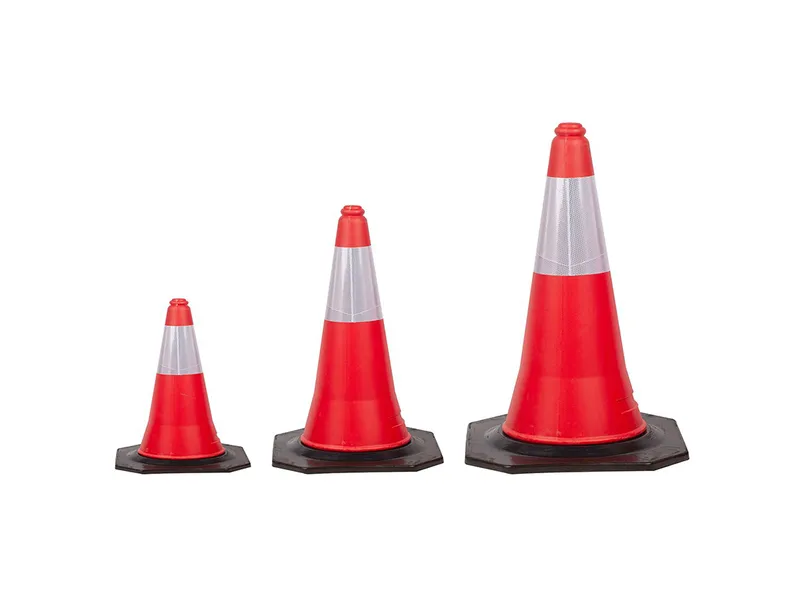
Types of traffic cones vary depending on their materials, visibility requirements, application environments, and safety standards. Traffic cones are widely used for road construction, traffic control, parking management, emergency areas, and temporary work zones because they provide a simple and effective way to guide vehicles and pedestrians.
Although traffic cones may look similar, different designs serve different purposes. Factors such as cone height, reflective performance, durability, and stability can directly affect their effectiveness in real-world applications.
HZ Traffic provides professional traffic safety products designed for road construction, maintenance projects, and traffic management applications, helping customers create safer working environments.
What Are the Main Types of Traffic Cones?
The main types of traffic cones are categorized by their material, size, visibility features, and intended application.
Traffic cones are temporary traffic control devices designed to warn drivers, separate traffic areas, and improve safety around work zones. According to the Manual on Uniform Traffic Control Devices (MUTCD), temporary traffic control devices should provide clear guidance and visibility for road users.
Common types of traffic cones include:
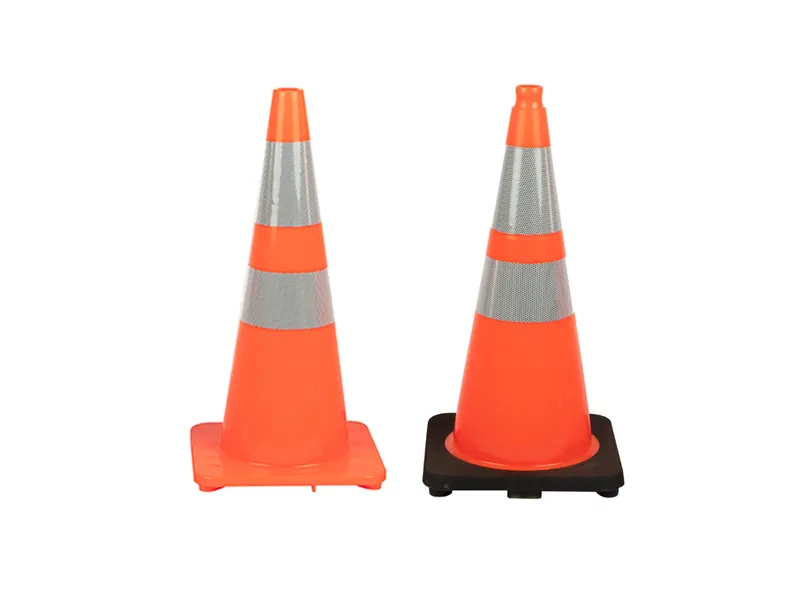
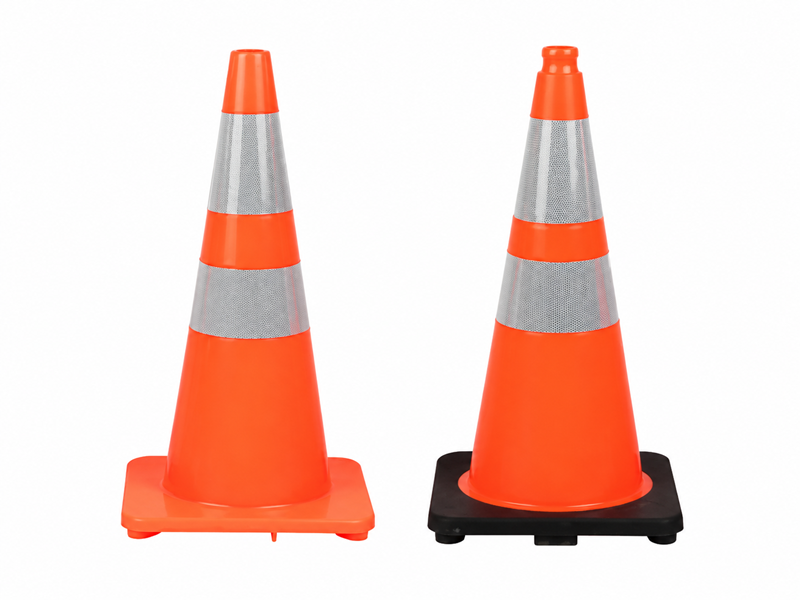
PVC traffic cones: Lightweight and flexible cones suitable for general road control, parking areas, and temporary applications.
Rubber base traffic cones: Designed with heavier bases to improve stability in windy conditions or high-traffic environments.
Reflective traffic cones: Equipped with reflective collars to improve nighttime visibility.
Collapsible traffic cones: Easy to store and transport, suitable for emergency response and temporary situations.
When selecting products for professional projects, businesses can evaluate suitable construction cones based on project requirements, traffic conditions, and safety needs.
How Do Different Traffic Cones Compare?
Different traffic cone designs provide different levels of stability, visibility, and application flexibility depending on the working environment.
The correct choice depends on whether the cones are used for short-term traffic guidance, long-term construction projects, or high-risk road areas.
| Feature | PVC Traffic Cone | Rubber Base Traffic Cone | Collapsible Traffic Cone |
|---|
| Main advantage | Flexible and lightweight | Better stability | Easy storage and transport |
| Common use | Parking areas, temporary control | Construction zones, highways | Emergency situations |
| Visibility | Good with reflective strips | Excellent with reflective strips | Good |
| Durability | High | Higher | Medium |
| Transportation | Easy | Moderate | Very easy |
For larger projects, traffic cones are often combined with other safety products. For example, barriers can help create stronger separation between vehicles and working areas. HZ Traffic provides solutions such as road work barriers for projects that require additional protection and traffic organization.
How to Choose the Right Traffic Cones for Different Applications?
Choosing the right traffic cones requires evaluating the working environment, visibility requirements, traffic conditions, and safety regulations.
Different applications require different cone features. A small parking area may only need lightweight cones, while highway construction projects usually require highly visible and stable products.
Important selection factors include:
Height requirement: Larger cones generally provide better visibility from a longer distance.
Reflective performance: Reflective collars improve recognition at night or in low-light conditions.
Base stability: Heavier bases reduce the risk of cones being moved by wind or passing vehicles.
Material durability: High-quality materials improve service life in outdoor environments.
According to Federal Highway Administration (FHWA), effective temporary traffic control requires properly selected devices that improve visibility and guide road users safely.
For companies managing construction projects, choosing suitable road construction safety equipment can help improve overall work zone protection.
Why Are Traffic Cones Important for Road Safety?
Traffic cones are important because they provide visible temporary guidance that helps separate traffic, protect workers, and reduce confusion in changing road conditions.
In construction and maintenance areas, traffic patterns often change temporarily. Traffic cones help create clear boundaries between vehicle lanes, pedestrian areas, and working zones.
The benefits of using traffic cones include:
Improving driver awareness.
Creating safer work areas.
Guiding temporary traffic movement.
Reducing accidental entry into restricted areas.
The Occupational Safety and Health Administration (OSHA) also emphasizes the importance of proper workplace safety practices when employees work near moving vehicles or hazardous areas.
HZ Traffic supplies traffic safety products that support different road management requirements, including construction zones, parking facilities, and industrial applications.
Conclusion
Understanding the different types of traffic cones helps businesses select the right traffic control products for different environments. Factors such as visibility, stability, material quality, and application requirements should all be considered before choosing a traffic cone.
From temporary parking control to large construction projects, the right traffic cones can improve safety, organize traffic flow, and protect workers and road users.
HZ Traffic provides reliable traffic safety solutions designed for professional applications. By selecting suitable traffic control products, organizations can create safer and more efficient working environments.
FAQ About Types of Traffic Cones
1. What are the most common types of traffic cones?
The most common types include PVC traffic cones, rubber base traffic cones, reflective traffic cones, and collapsible traffic cones.
2. What size traffic cone should I choose?
The appropriate size depends on the application. Larger cones are usually preferred for highways and high-speed areas because they provide better visibility.
3. Why do traffic cones have reflective strips?
Reflective strips improve visibility at night and help drivers identify temporary traffic control areas more easily.
4. Are rubber base traffic cones more stable?
Yes. Rubber base traffic cones generally provide better stability, especially in outdoor areas affected by wind or vehicle movement.
5. Where are traffic cones commonly used?
Traffic cones are used in construction zones, road maintenance areas, parking lots, emergency locations, and temporary traffic control areas.
6. How long do traffic cones last?
The service life depends on material quality, weather exposure, usage frequency, and maintenance conditions. High-quality traffic cones can provide reliable performance for long-term outdoor applications.
 English