Road Construction Daytime Operation Scenario
Night & Low-visibility Construction Scenario
Urban Road Occupation & Short-term Maintenance Scenario
Emergency Road Repair & Traffic Rescue Scenario
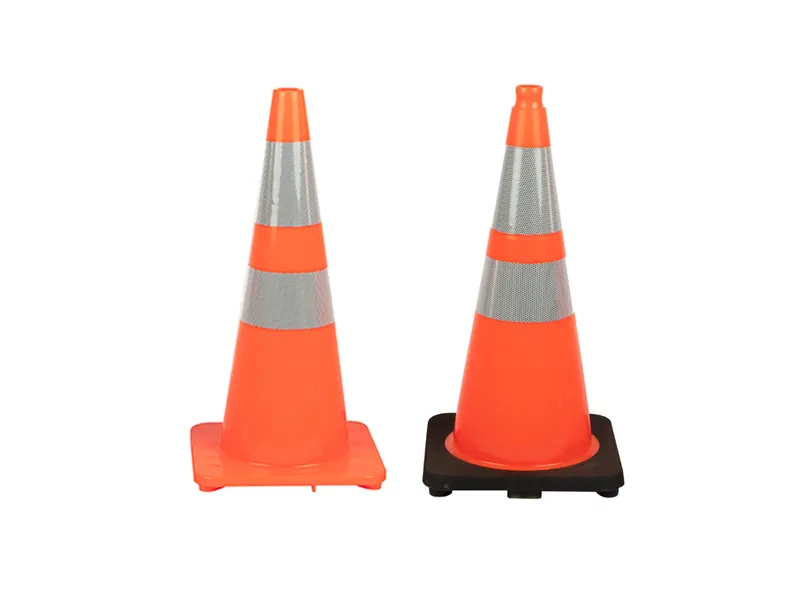
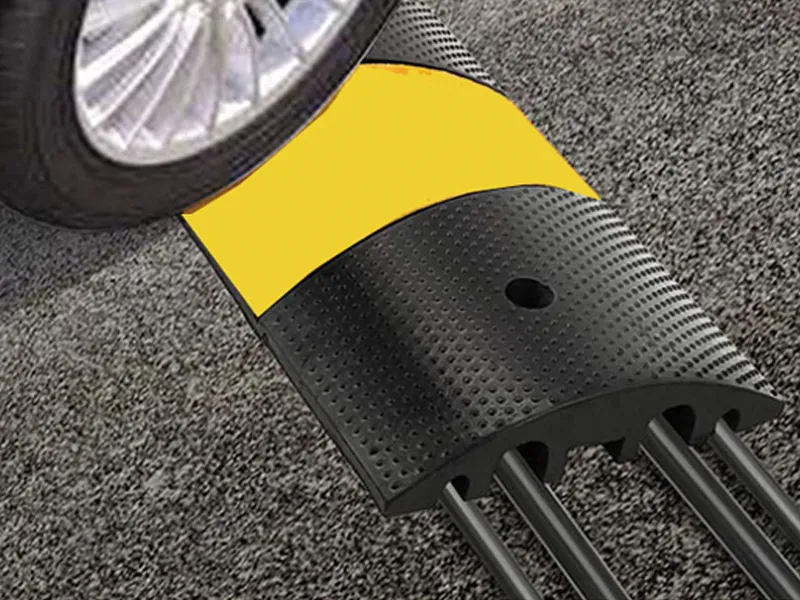
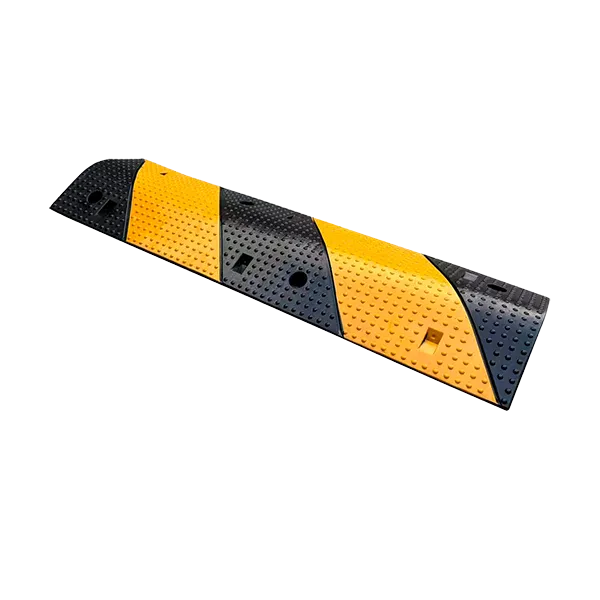
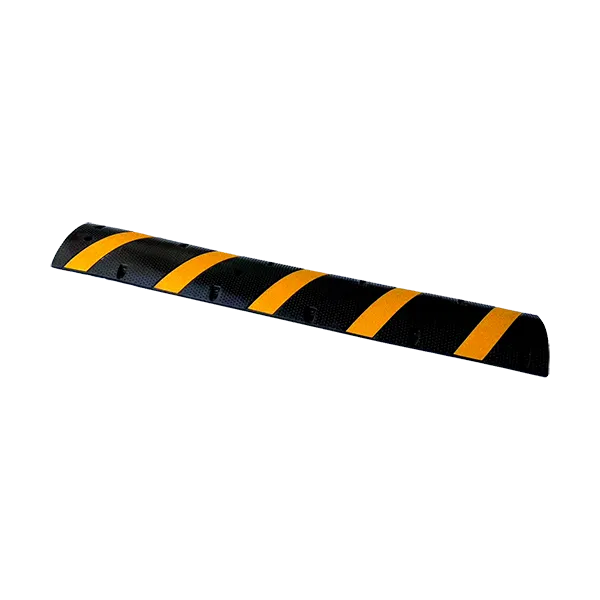
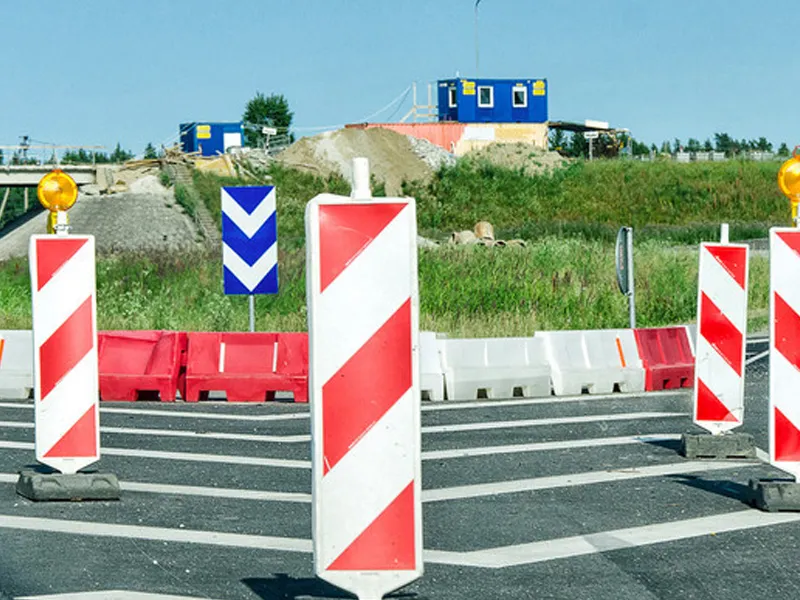
Professional work zone and temporary traffic control products provide standardized traffic management for daytime road construction sites. The core product suite includes temporary warning signs, traffic isolation barricades, cone barrels, and slow-down prompt devices. These safety facilities are arranged sequentially in construction advance warning areas, buffer zones and working zones to remind drivers of upcoming road changes. Clear signage indicates lane narrowing, road diversion and construction ahead, guiding vehicles to adjust speed and routes in advance. Isolation equipment effectively separates construction working areas from driving lanes, preventing vehicles from mistakenly entering operation zones and avoiding collisions with construction workers and machinery. These daytime traffic control products standardize temporary road operation procedures, reduce conflict between construction work and passing traffic, and ensure both construction efficiency and road driving safety in open daytime environments.
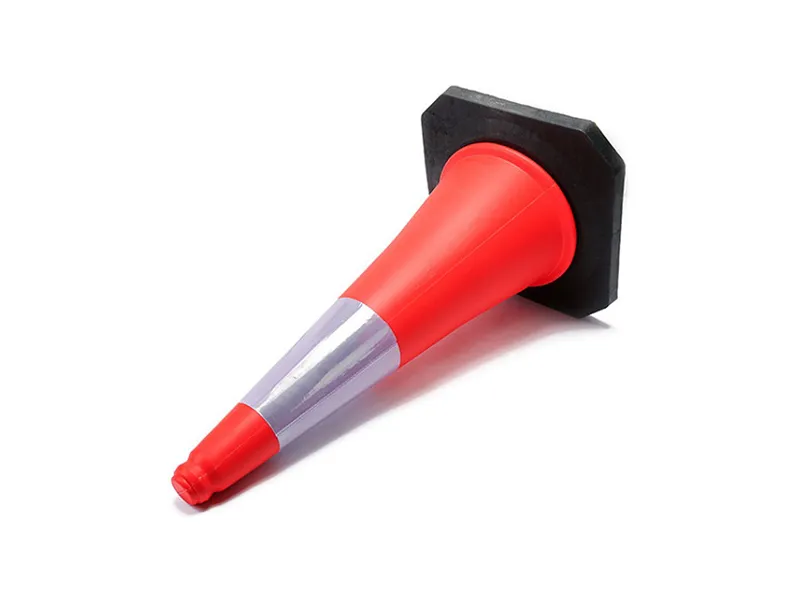
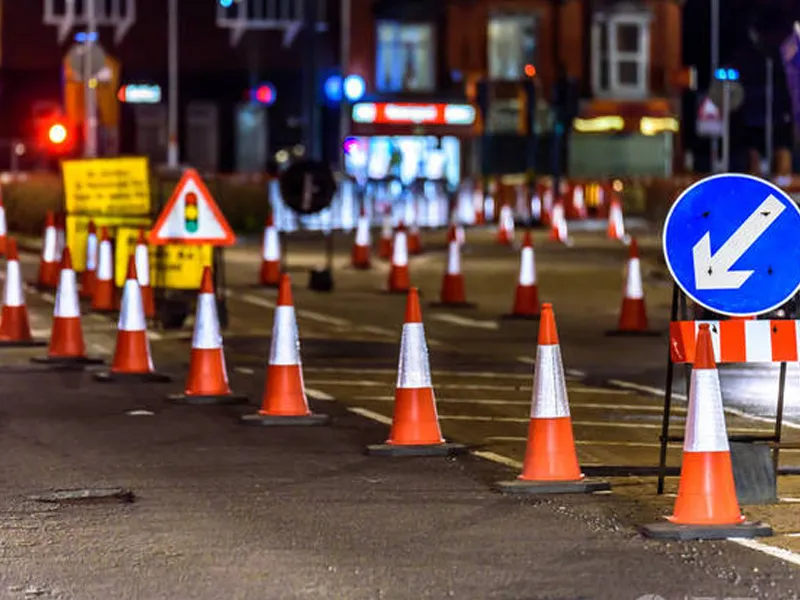
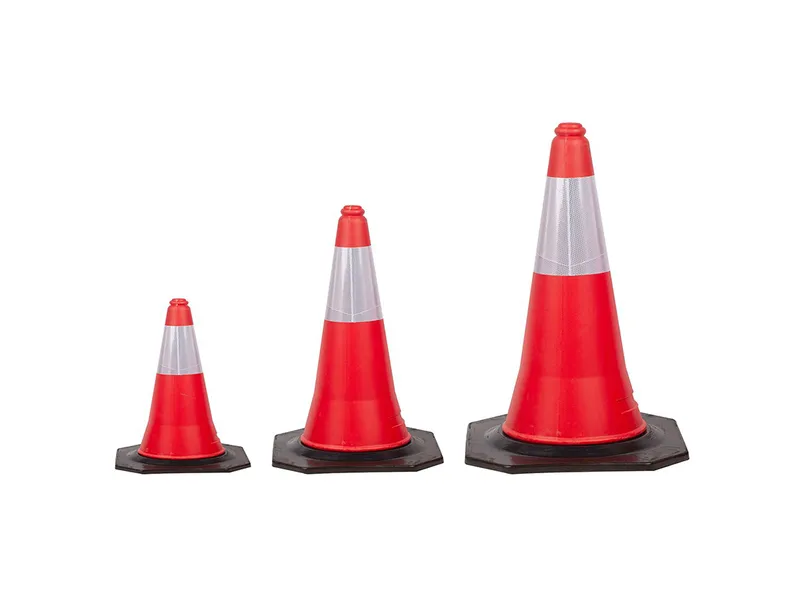
Night road work zones face safety risks such as insufficient lighting, poor driver visibility and fast moving traffic, requiring specialized temporary traffic control products. This series contains high-reflective warning signs, LED flashing warning lights, reflective traffic cones and night construction marker strips. High-brightness reflective materials can clearly display road boundaries and construction ranges under dim night lighting, allowing drivers to identify road changes from a long distance. Flashing LED warning devices continuously send dynamic safety reminders to attract drivers’ attention and avoid speeding and sudden lane changes. All-weather barrier facilities stably isolate construction areas and eliminate visual blind spot hazards. These night-oriented traffic control products make up for the defects of low visibility environments, greatly improve the recognizability of night work zones, and effectively prevent night traffic accidents caused by visual obstacles.