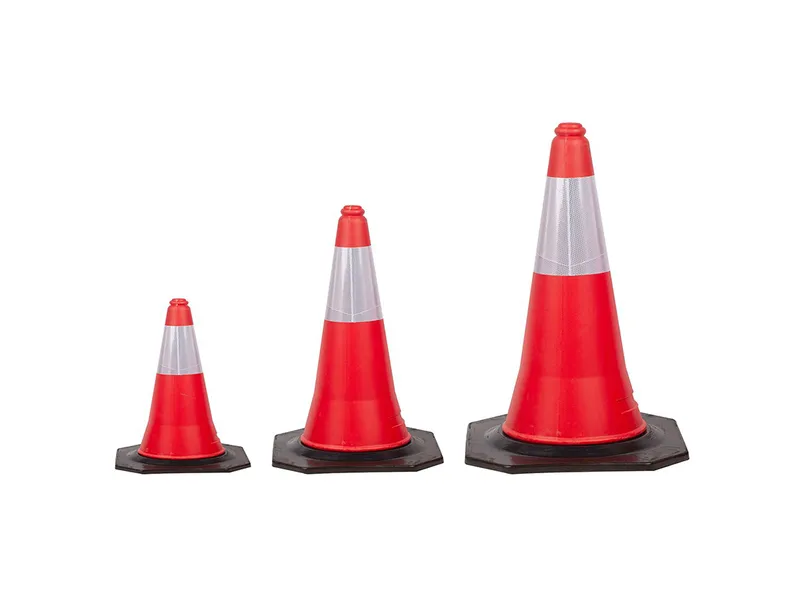
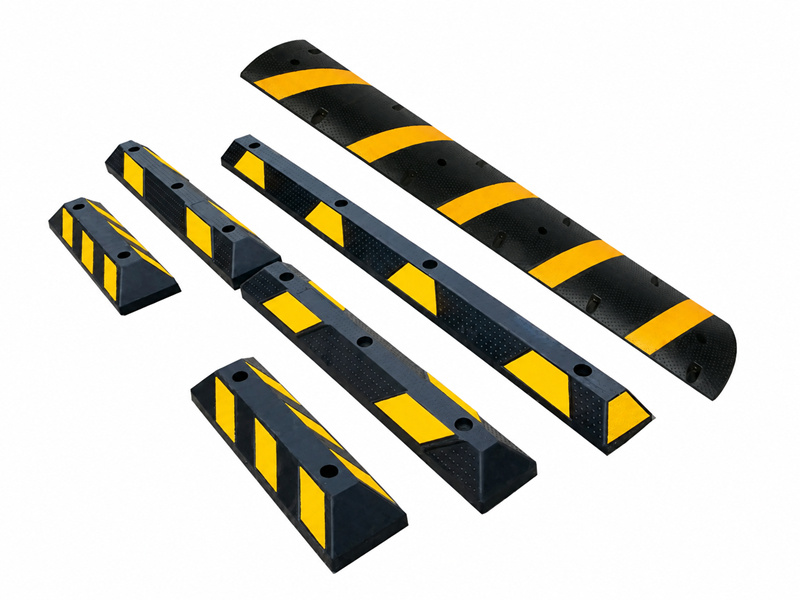
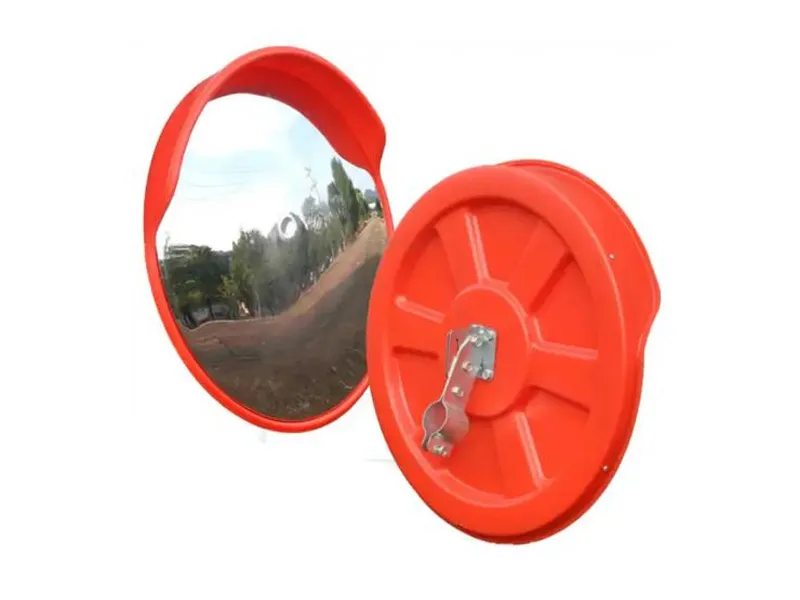
When planning road safety projects, construction zones, parking management, or temporary traffic control, many buyers ask: how much do traffic cones cost? The answer depends on several factors, including cone size, material, reflective performance, base design, quantity, and application requirements.
Traffic cones are simple but important safety devices used to guide vehicles, protect workers, and organize temporary traffic areas. While low-cost options may work for short-term applications, professional projects often require durable cones that can withstand outdoor conditions and repeated use.
HZ Traffic provides traffic safety products for construction sites, road management projects, parking areas, and industrial applications, helping customers select suitable solutions based on their safety requirements and operating environments.
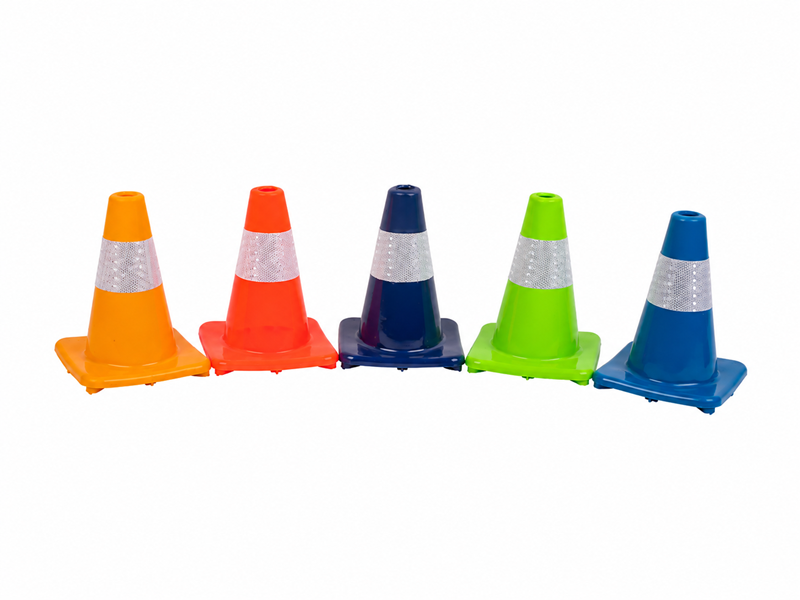
What Factors Affect How Much Traffic Cones Cost?
The cost of traffic cones depends mainly on their material, size, visibility features, durability, and intended application.
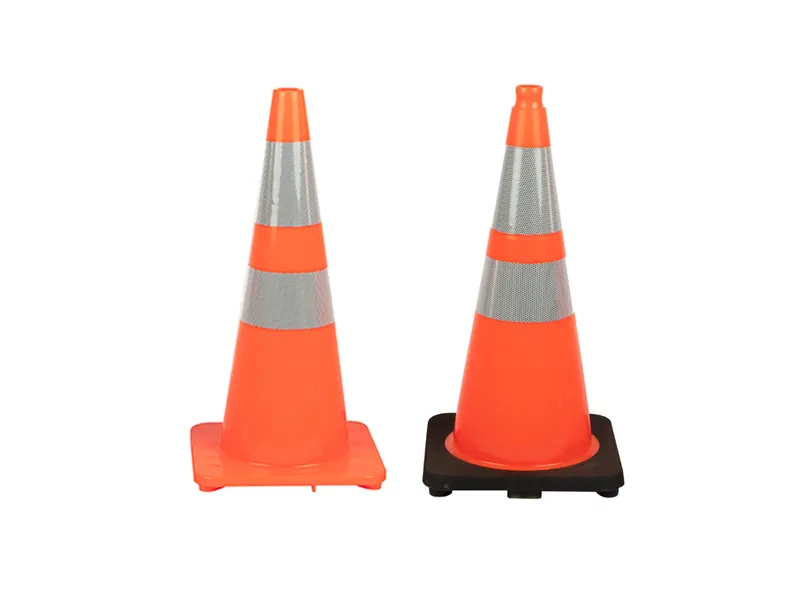
Traffic cones are available in different specifications, and each design feature can influence the final price. For example, a lightweight PVC cone used for temporary parking control may have a lower cost than a heavy-duty reflective cone designed for highway construction.
The main factors affecting traffic cone pricing include:
Material quality: PVC, rubber, and other durable materials provide different levels of flexibility and service life.
Cone height: Larger cones generally require more material and provide better visibility.
Reflective performance: Reflective collars improve nighttime visibility and increase safety in low-light environments.
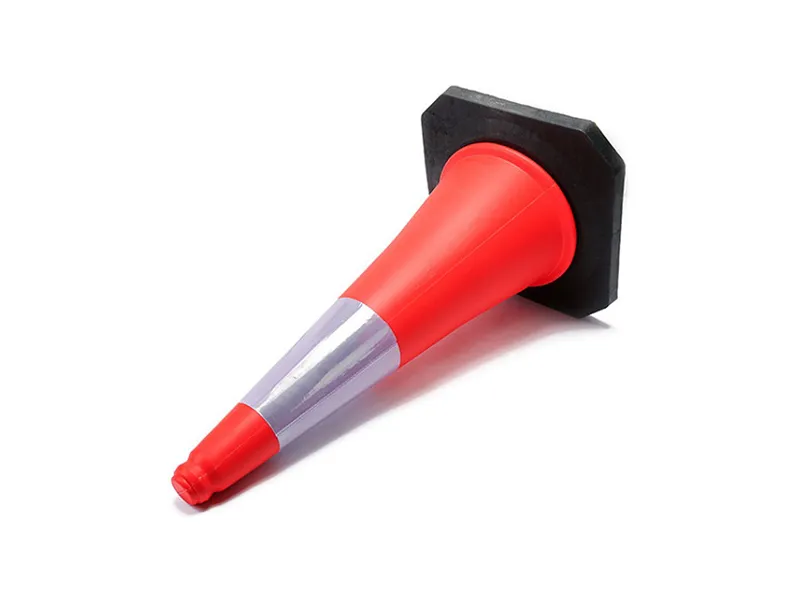
Base design: A heavier rubber base provides better stability in windy conditions or high-traffic areas.
Order quantity: Bulk purchasing usually reduces the average unit cost.
For businesses comparing options, products such as construction cones can provide different choices for construction, road maintenance, and traffic control applications.
How Much Do Different Types of Traffic Cones Cost?
Different types of traffic cones have different price ranges because they are designed for different safety requirements and working environments.
The actual price varies depending on supplier, specifications, and order volume. In general, standard traffic cones may cost several dollars per unit, while larger professional-grade models with enhanced reflective features may cost more.
| Traffic Cone Type | Typical Application | Main Features | Relative Cost Level |
|---|
| Standard PVC Traffic Cone | Parking lots, temporary areas | Lightweight, flexible | Low |
| Reflective Traffic Cone | Roads, construction zones | Better night visibility | Medium |
| Heavy Base Traffic Cone | Industrial areas, outdoor projects | Higher stability | Medium to High |
| Collapsible Traffic Cone | Emergency response, portable use | Easy storage and transport | Medium |
When evaluating how much do traffic cones cost, buyers should consider total value rather than only the initial purchase price. A cheaper cone may require more frequent replacement, while a durable product can provide better long-term performance.
According to the Federal Highway Administration (FHWA), effective temporary traffic control requires properly selected safety devices that improve visibility and guide road users safely.
How to Choose Cost-Effective Traffic Cones for Different Applications?
Choosing cost-effective traffic cones means selecting products that match the working environment, safety requirements, and expected service life.
The cheapest option is not always the most economical choice. For example, construction companies working on long-term projects may benefit from stronger reflective cones, while businesses managing occasional parking areas may only need standard models.
Before purchasing traffic cones, buyers should evaluate:
Expected usage frequency.
Outdoor weather conditions.
Required visibility distance.
Vehicle traffic intensity.
Storage and transportation needs.
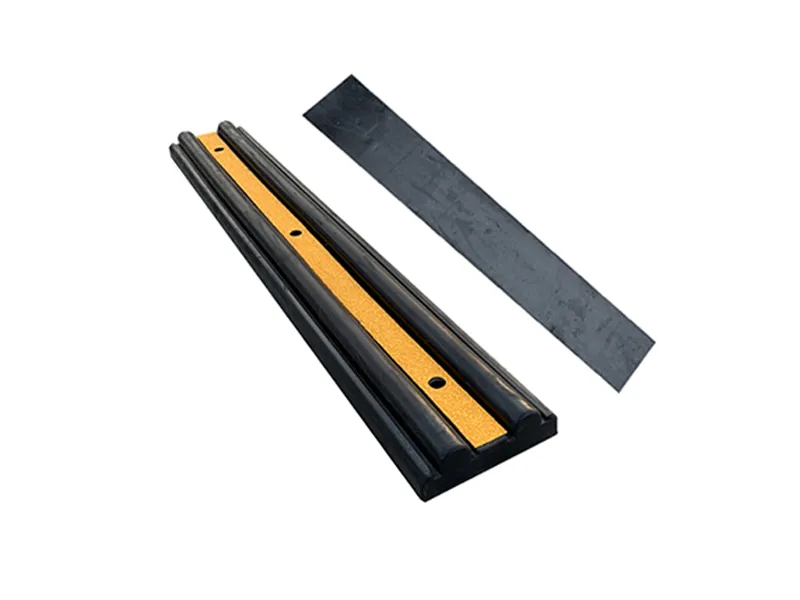
For projects requiring additional separation and protection, HZ Traffic also provides complementary safety products such as road work barriers to help organize work zones and improve traffic control.
The right combination of traffic cones and other safety equipment can create a safer working environment while controlling overall project costs.
Are Expensive Traffic Cones Worth the Investment?
Higher-priced traffic cones are often worth considering when durability, visibility, and long-term safety performance are important.
Professional traffic management projects usually require products that can withstand repeated impact, outdoor exposure, and frequent handling. A durable traffic cone can reduce replacement frequency and maintain better visibility throughout its service life.
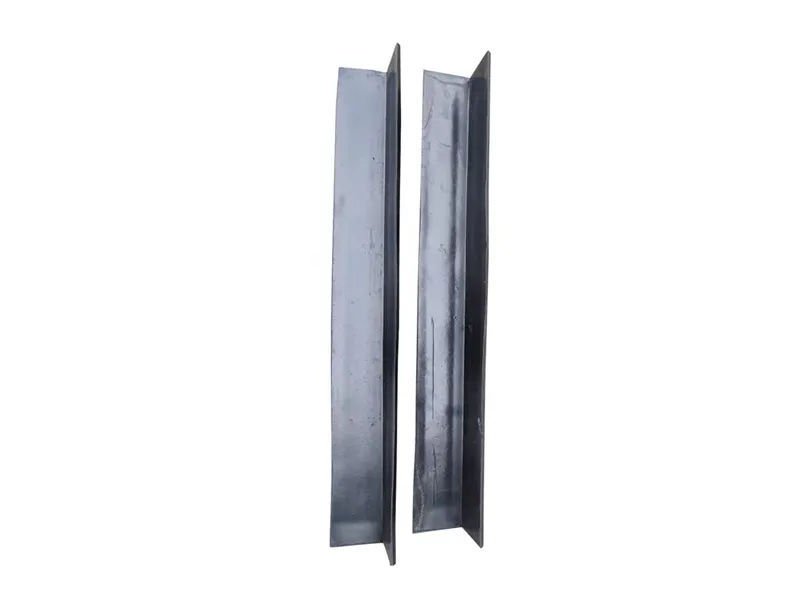
Traffic cones are commonly used together with other road construction safety equipment to create complete safety systems for construction and maintenance areas.
The value of a traffic cone should be evaluated based on:
For example, a reflective cone with a stable base may have a higher initial cost but provide better performance for highway, industrial, and commercial applications.
Conclusion
Understanding how much do traffic cones cost requires looking beyond the purchase price. Factors such as material, size, reflectivity, stability, and application environment all influence the final cost.
For temporary parking control, basic traffic cones may provide a practical solution. For construction zones, road projects, and industrial environments, investing in durable and highly visible products can improve safety and reduce replacement costs.
HZ Traffic offers reliable traffic safety solutions designed for different applications, helping customers choose suitable products based on performance, durability, and project requirements.
FAQ About Traffic Cone Costs
1. How much do traffic cones usually cost?
Traffic cone prices vary depending on size, material, reflective features, and order quantity. Basic models generally cost less, while professional-grade cones with enhanced durability cost more.
2. Why are some traffic cones more expensive than others?
Higher-priced cones usually include better materials, stronger bases, improved reflectivity, and longer service life.
3. Are cheap traffic cones suitable for construction projects?
Cheap traffic cones may work for short-term use, but construction projects often require more durable products for safety and reliability.
4. Do larger traffic cones cost more?
Yes. Larger cones usually require more material and provide greater visibility, which can increase their cost.
5. How many traffic cones should I buy for a project?
The required quantity depends on project size, traffic layout, safety requirements, and the area that needs to be controlled.
6. Are reflective traffic cones better for outdoor use?
Yes. Reflective traffic cones provide better visibility at night and in poor weather conditions, making them suitable for roads and construction areas.
 English