Goods Storage & Shelving Operation Scenario
Forklift & Mechanical Handling Scenario
Cargo Sorting & Conveyor Operation Scenario
Warehouse Fire Prevention & Channel Safety Scenario
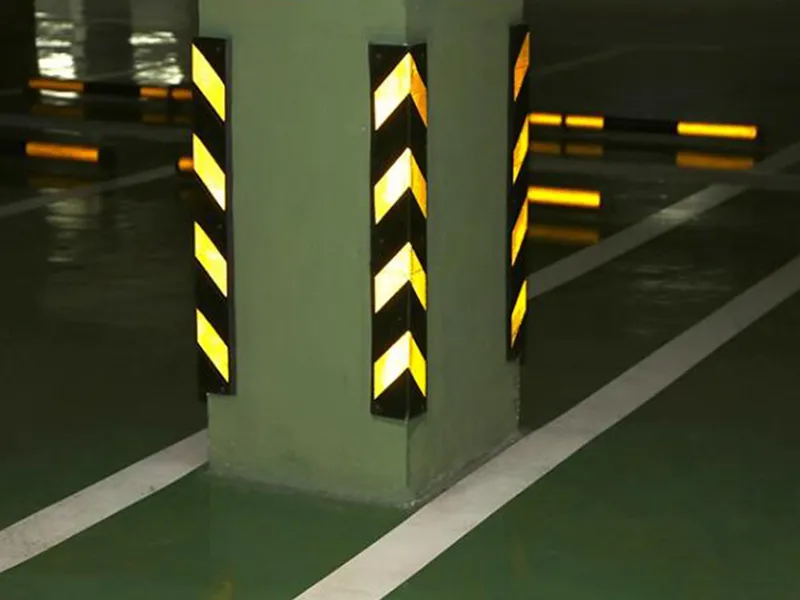
Warehouse goods storage and shelving management are basic core scenarios of logistics safety, facing risks of shelf collapse, goods falling and stacking collapse. Professional warehouse and logistics safety products provide standardized safety protection for daily storage operations. The main safety facilities include shelf safety guards, load capacity warning signs, layer limit baffles and anti-fall netting. These products strictly limit the stacking weight and height of goods, preventing overloading that causes shelf deformation and collapse. Anti-collision guards installed at shelf corners effectively resist impact damage from handling vehicles. Anti-fall nets block scattered goods from falling off high shelves and hurting staff. Standard safety signs regulate classified storage behaviors and avoid chaotic stacking. These targeted safety products standardize warehouse storage specifications, eliminate falling and collapse hazards, and ensure stable and safe indoor goods storage.
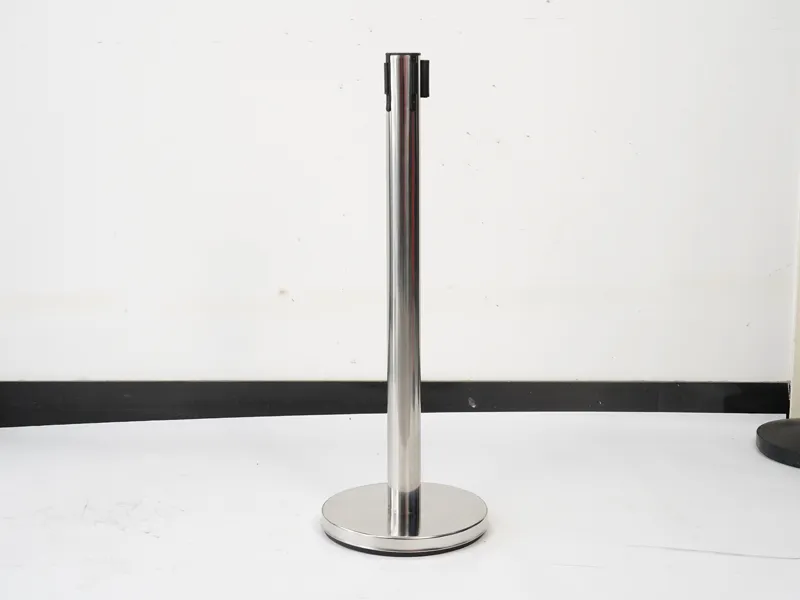
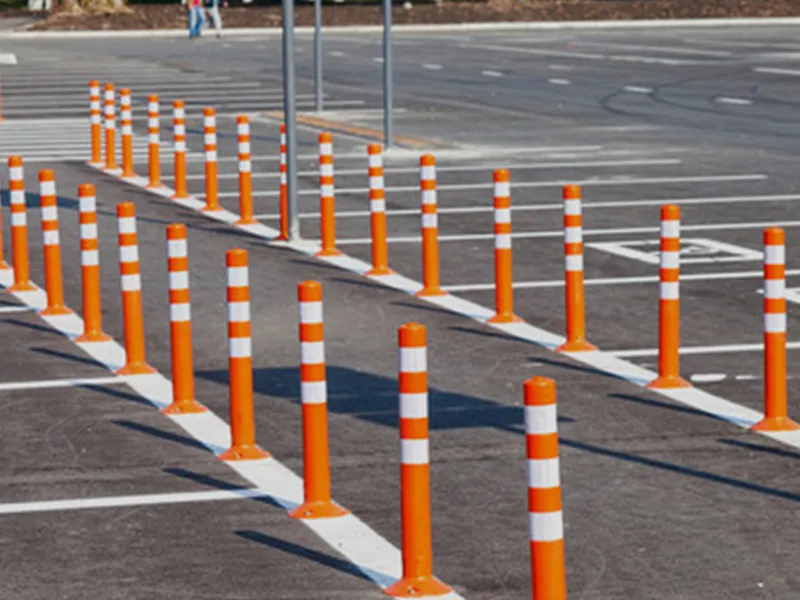
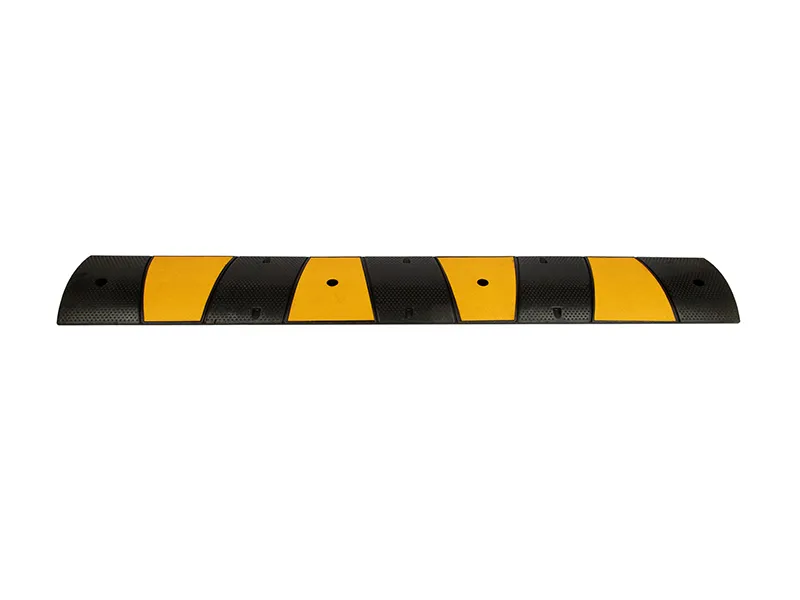
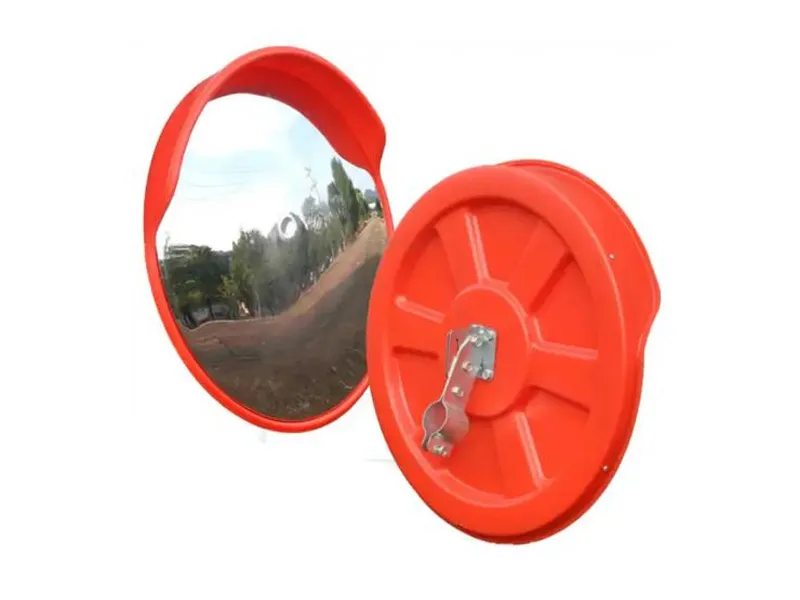
Forklifts, pallet trucks and handling machinery operate frequently in narrow warehouse aisles, forming high-risk mixed traffic scenarios of pedestrians and vehicles. Professional logistics safety products effectively avoid collision and extrusion accidents in handling operations. The supporting product suite includes aisle isolation guardrails, forklift warning lights, pedestrian reminder devices and speed limit signs. Isolation facilities divide fixed vehicle passages and pedestrian walking routes to separate man-machine flows thoroughly. Intelligent sensing and warning devices send flashing light and voice reminders when forklifts are moving, alerting nearby staff to evade in time. Speed limit markers restrict the driving speed of handling machinery in dense operation areas. These safety products standardize mechanical handling procedures, reduce man-machine conflict risks, and greatly improve the safety of warehouse cargo handling and transportation.