Speed bump installation is an effective traffic control method used to reduce vehicle speed and improve safety in parking lots, residential communities, industrial facilities, warehouses, and private roads. A properly installed speed bump helps protect pedestrians, control traffic flow, and reduce the risk of vehicle-related accidents.
Compared with permanent concrete traffic calming structures, rubber speed bumps provide a flexible solution because they are easier to install, replace, and maintain. However, successful installation depends on selecting the right product, preparing the road surface correctly, and using suitable fixing methods.
HZ Traffic provides professional traffic safety products designed for different environments, helping customers create safer and more efficient transportation areas.
What Is Rubber Speed Bump Installation?
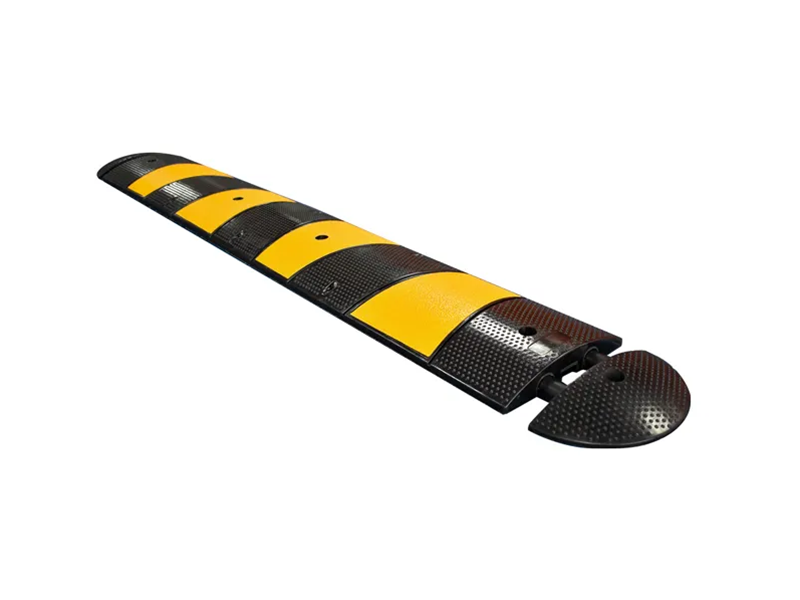
Rubber speed bump installation is the process of securely fixing modular rubber speed bumps onto a road surface to reduce vehicle speed and improve traffic safety.
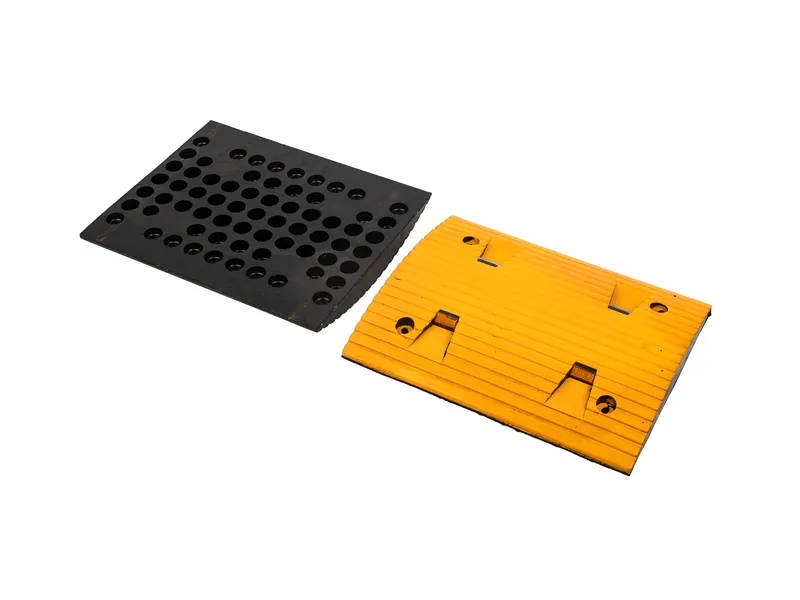
Rubber speed bumps are commonly manufactured from durable rubber materials and designed with reflective markings to improve visibility during both daytime and nighttime conditions. They are widely used in areas where vehicles need to slow down, including parking areas, factories, residential zones, schools, and pedestrian-heavy locations.
Compared with traditional concrete speed control structures, rubber speed bumps offer greater flexibility because they require less construction work and can be replaced more easily when necessary.
The main purposes of speed bump installation include:
Reducing vehicle speed in high-risk areas.
Protecting pedestrians and workers.
Improving traffic flow management.
Creating safer environments around commercial and industrial facilities.
For customers looking for suitable products, HZ Traffic provides durable rubber speed hump solutions designed for parking areas, private roads, and industrial applications.
How to Install Rubber Speed Bumps Correctly?
A proper rubber speed bump installation requires accurate positioning, secure fastening, and final inspection to ensure long-term performance.
The installation process usually includes several important steps.
First, the installation area should be inspected carefully. The road surface should be flat, stable, and free from loose materials, oil stains, or debris. A damaged or unsuitable surface may reduce the effectiveness of the fixing system.
Second, the installation position should be measured and marked. Speed bumps should be placed in locations where drivers have sufficient visibility and where speed reduction is required.
Third, installers drill fixing holes and secure the rubber speed bump sections using bolts and anchors. Proper fastening prevents movement caused by repeated vehicle impact and ensures stable performance.
Finally, the completed installation should be inspected to confirm that the speed bump is firmly attached, reflective markings are visible, and vehicles can pass safely.
Important installation factors include:
For different applications, businesses can select suitable speed bumps for roads based on vehicle requirements, traffic conditions, and installation environments.
Rubber Speed Bump vs Other Traffic Calming Solutions
Rubber speed bumps are often selected because they provide a balance between installation convenience, durability, and effective vehicle speed control.
Different traffic control solutions have different advantages depending on the application environment.
| Feature | Rubber Speed Bump | Concrete Speed Hump | Metal Speed Bump |
|---|
| Installation | Fast and simple | Requires construction work | Fast |
| Replacement | Easy | Difficult | Moderate |
| Maintenance | Low | Higher repair requirements | Medium |
| Flexibility | High | Low | Medium |
| Common applications | Parking lots, private roads, facilities | Permanent road areas | Industrial zones |
Rubber speed bumps are especially suitable for locations where traffic layouts may change or where quick installation is required. Concrete solutions are generally selected for permanent road projects, while metal options are often used in specific industrial environments.
According to the Federal Highway Administration, properly planned traffic calming measures can help improve roadway safety by influencing driver behavior and managing vehicle speeds.
What Factors Affect Rubber Speed Bump Performance?
The performance of rubber speed bumps depends on product quality, installation conditions, vehicle loads, and regular maintenance.
Before selecting and installing a speed bump, businesses should evaluate the actual application environment.
Several factors influence long-term performance:
Vehicle requirements: Passenger vehicles and heavy trucks may require different speed bump designs.
Traffic volume: High-frequency traffic areas require durable materials and reliable fixing systems.
Visibility: Reflective strips and warning signs improve driver awareness, especially at night.
Maintenance: Regular inspections help identify loose bolts, surface damage, or visibility issues.
Following recognized road safety guidelines can help ensure that traffic control equipment is installed correctly and used effectively.
HZ Traffic focuses on providing reliable traffic safety products for parking lots, industrial facilities, residential areas, and road management projects. By selecting the right product and applying correct installation methods, businesses can improve safety while maintaining efficient vehicle movement.
Conclusion
Speed bump installation is an effective solution for reducing vehicle speed and improving safety in areas where pedestrians, vehicles, and property protection are important.
Rubber speed bumps provide a flexible alternative to permanent traffic control structures because they offer easier installation, convenient replacement, and reliable performance. However, selecting the correct product, preparing the installation area properly, and following suitable fixing procedures are essential for achieving long-term results.
By considering road conditions, vehicle requirements, traffic patterns, and maintenance needs, businesses can create safer transportation environments. HZ Traffic provides professional traffic safety products designed to support different road management requirements.
FAQ About Rubber Speed Bump Installation
1. How long does rubber speed bump installation take?
Most rubber speed bump installations can be completed within several hours, depending on the installation area, product quantity, and fixing requirements.
2. Can rubber speed bumps be installed on asphalt roads?
Yes. Rubber speed bumps can be installed on asphalt and concrete surfaces when suitable anchors and fixing methods are used.
3. Where are rubber speed bumps commonly used?
They are commonly used in parking lots, factories, warehouses, residential communities, schools, and private roads.
4. Do rubber speed bumps require regular maintenance?
Regular inspections are recommended to check fixing bolts, reflective strips, and surface conditions.
5. What is the difference between a speed bump and a speed hump?
Speed bumps are generally shorter and create stronger speed reduction, while speed humps are longer and provide a smoother vehicle transition.
6. How do I choose the right rubber speed bump?
The selection depends on vehicle type, traffic volume, installation location, and the required speed control effect.
 English