Urban Main Road Peak Hour Traffic Dispatching
Highway Toll Station & Interchange Order Control
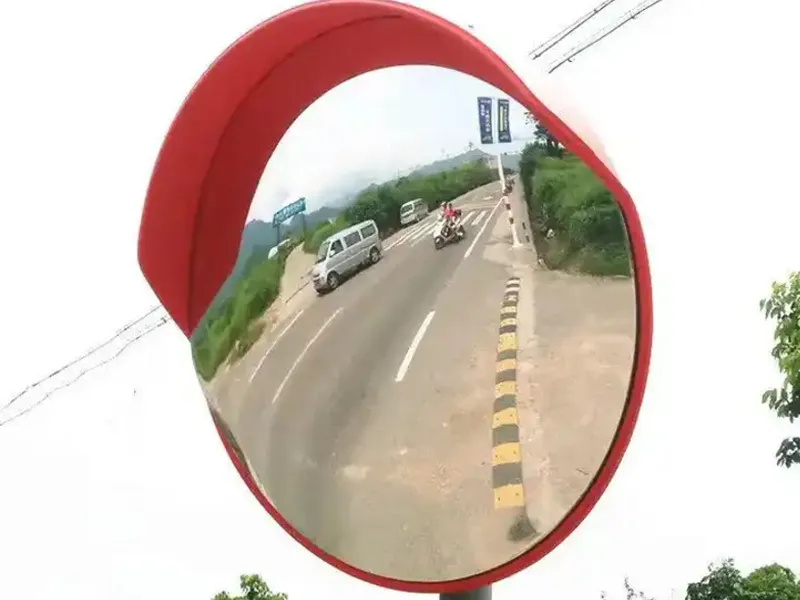
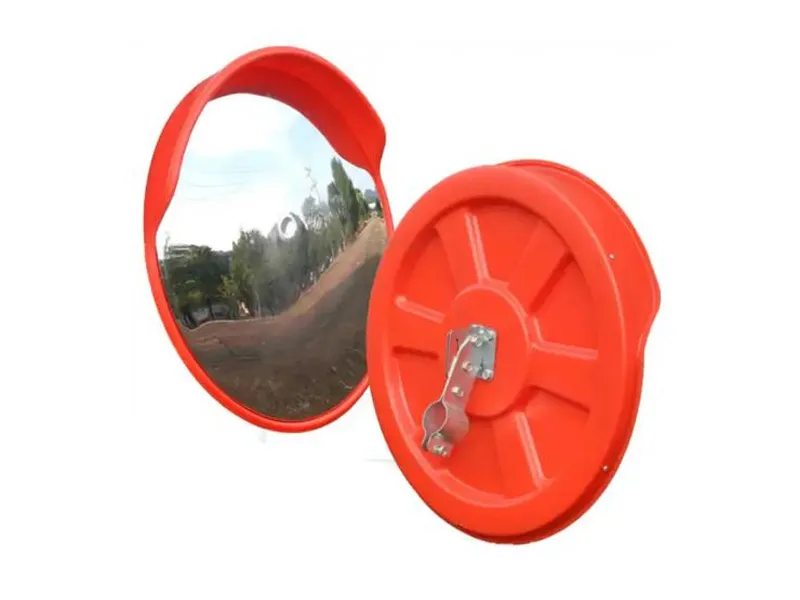
Residential Community & Surrounding Road Access Governance
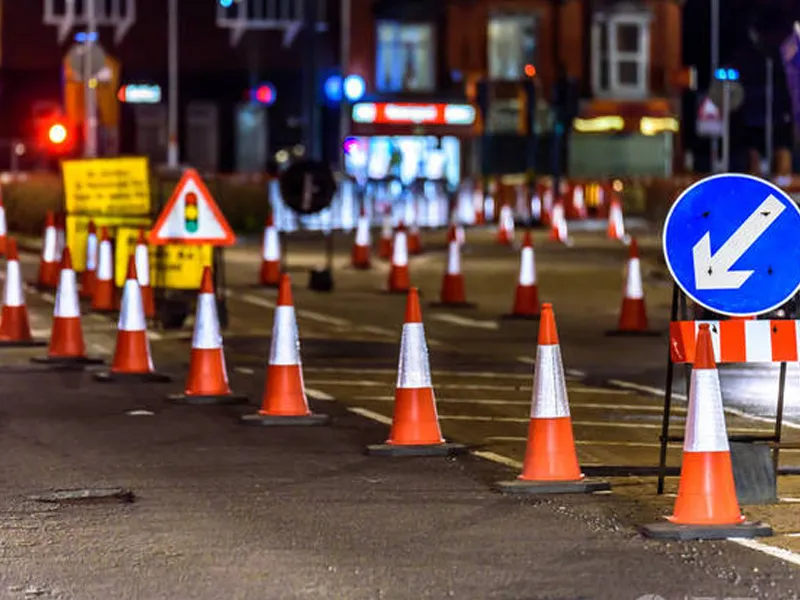
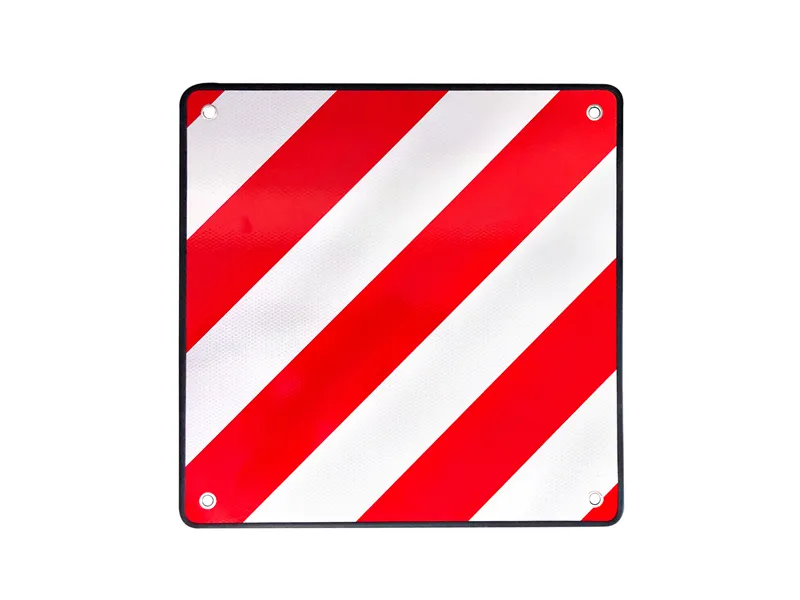
Traffic management systems and supporting facilities serve as the core solution for easing congestion on urban arterial roads during morning and evening rush hours. This complete set includes variable traffic signal controllers, real-time flow monitoring cameras, lane guidance signs and temporary isolation barriers. The intelligent platform collects vehicle density data across each intersection, automatically adjusting signal light duration to balance inbound and outbound traffic and cut unnecessary waiting time. Movable guardrails divide reversible lanes flexibly according to directional passenger volume, maximizing road space utilization. Fixed warning signs and roadside monitoring curb running red lights, illegal lane changes and random parking that easily trigger gridlock. With coordinated command from the traffic control center, this management mode reduces peak-hour road delays remarkably, lessens rear-end collisions caused by stop-and-go driving, and keeps the urban main transportation network smooth and orderly while lowering exhaust pollution from idling vehicles.
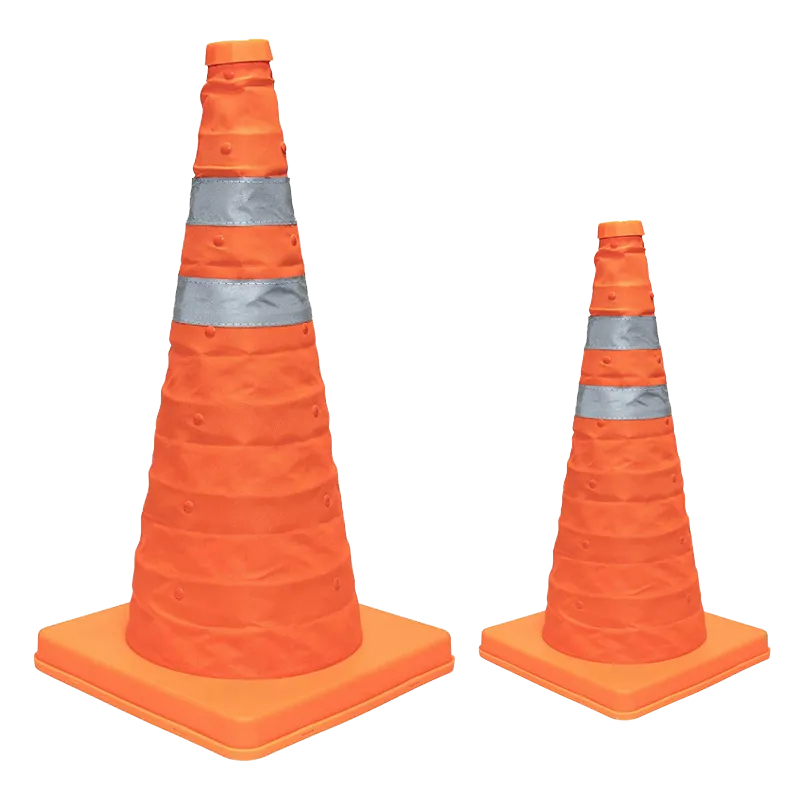
Highway interchanges and toll plazas are prone to vehicle queuing, forced merging and route confusion, requiring systematic traffic management measures and hardware equipment. Staff deploy directional guide signs, queue isolation poles and speed limit markers to split vehicles into dedicated lanes for toll payment, ramp entry and exit in advance. Real-time display screens broadcast road conditions ahead to remind drivers to switch lanes early and avoid sudden braking. When holiday passenger surges appear, temporary traffic cones and barrier systems expand waiting zones to prevent long queues from blocking main carriageways. The background management system tracks real-time vehicle throughput, opening extra toll windows and guiding traffic diversion in time once overloading occurs. Such standardized management eliminates cross-flow conflicts between merging and exiting vehicles, shortens passing time at service nodes, and greatly cuts the probability of pileup accidents at highway key transition sections.