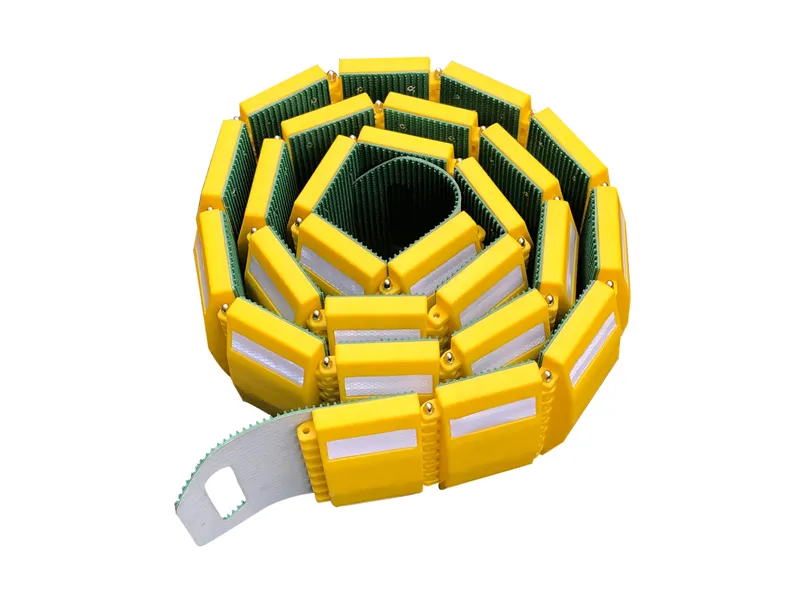
In today's world of rapid urbanization and the swift development of the logistics and transportation industry, road traffic safety has long become a core issue in global urban planning and public management. As an indispensable "hard currency" in traffic safety facilities, speed bumps play a crucial bridging role in controlling vehicle speed, reducing accidents, and managing traffic flow. For dealers in the transportation industry, selecting a speed bump product that balances durability, cost-effectiveness, and compliance is not only a stepping stone to winning municipal engineering, logistics parks, and commercial real estate projects but also a solid foundation for maintaining business reputation and achieving long-term profit growth.
When it comes to selecting traffic facilities, overseas municipal procurement and large-scale projects often have extremely stringent quality traceability and safety standards. Dealers who lack an understanding of the in-depth technical logic of products can easily fall into endless price wars. Therefore, examining this traditional category from the perspectives of materials science, market trends, and life cycle costs can help dealers demonstrate irreplaceable professional advisory value to high-net-worth clients, thereby gaining an advantage in the fiercely competitive bidding process.
Comparison of Speed Bumps Made from Different Materials and Processes
In the current traffic facilities market, there are various types of speed bumps, with mainstream materials mainly concentrated in the fields of rubber, cast steel, and plastic. Speed bumps made from different materials have significant differences in load-bearing capacity, service life, and application scenarios. When expanding the market, dealers need to make precise recommendations based on the specific needs of their clients:
High-Strength Rubber Speed Bumps: These offer excellent shock absorption and base adhesion, with extremely low noise when vehicles pass and minimal tire wear. Due to their outstanding cost-effectiveness and user-friendliness for passenger cars, they are widely used in residential communities, school surroundings, hospitals, and underground garages where silence and comfort are highly required.
Heavy-Duty Cast Steel Speed Bumps: Specifically designed for extreme heavy-load road conditions. In areas frequently accessed by heavy trucks, such as large logistics parks, industrial enterprise entrances, container terminals, and highway toll stations, cast steel material, with its strong compressive load-bearing capacity and shear resistance, can effectively prevent equipment deformation, cracking, or bolt loosening due to prolonged heavy pressure.
Engineering Plastic Speed Bumps: Bright and eye-catching colors, with good weather resistance and chemical corrosion resistance. Due to their lightweight, they are mostly used in temporary traffic control sections, construction site guidance, or regular commercial real estate scenarios.
Basic Guide to Selecting and Laying Out Speed Bumps
Assisting end clients in reasonable planning is key to showcasing the technical professionalism of dealers. A high-quality speed bump, if improperly positioned or selected, not only fails to provide the expected safety protection but may also increase the risk of vehicle chassis scraping and even lead to unnecessary legal disputes.
In actual project implementation and bidding, a scientific guide to speed bump layout usually requires systematic consideration from the following core dimensions:
1. Setting Speed Control Goals
Based on the designed speed limit of the road itself (e.g., within 15km/h or 30km/h), it is necessary to choose speed bumps with corresponding heights and slope arcs (common height range is between 30mm and 50mm) to find the best balance between gradual deceleration and mandatory low-speed passage.
2. Adaptation Verification for Regional Climate Environment
In areas with heavy rain, snow, severe salt spray corrosion, or extremely strong UV radiation, ordinary modified plastics tend to age and fade rapidly. At this time, it is essential to choose high molecular rubber with added special antioxidants and UV-resistant components to ensure that the product maintains good mechanical toughness in extreme cold or high temperatures without cracking or softening.
3. Establishing a Composite Road Surface Safety System
Having only speed bumps is often not enough. In standard modern traffic engineering, it is usually necessary to work with pre-installed speed warning signs, ground rumble strips, and high-brightness reflective signs. This systematic layout can simultaneously remind drivers from visual, auditory, and tactile dimensions, thereby minimizing potential traffic accident rates.
Return on Investment of High Unit Price Speed Bumps
When promoting products to large purchasers, smart dealers do not just focus on the "initial purchase price," but guide clients to calculate the long-term economic benefits of high unit price speed bumps from a return on investment (ROI) perspective, which is also an effective way to dispel clients' price comparison mentality. Through this advanced negotiation logic, dealers can help end clients calculate two accounts during procurement:
Balancing Initial Purchase Price and Life Cycle Costs: Although low-quality products are cheap, they usually deform and crack after a few months of heavy vehicle rolling, requiring frequent road closures and hiring workers for reinstallation. In contrast, high-quality rubber or cast steel speed bumps can often maintain high-intensity operation for years, eliminating the hidden costs of repeated repairs.
Potential Legal Risks and Operational Safety Assurance: Speed bumps that comply with international standards and road engineering specifications have scientifically calculated heights and slopes. In the event of unexpected vehicle jolts and damage, compliant products serve as a "golden shield of exemption" for municipal and property management parties; on the contrary, non-compliant inferior speed bumps often become the fuse of road safety accidents and litigation disputes.
Conclusion
As guardians of road traffic safety, the quality of speed bumps is directly related to the safe travel of every family. In the current increasingly fierce competitive environment, choosing a technically solid, fully qualified, and stably supplied source manufacturing enterprise as a strategic partner is the core competitiveness for dealers to stand out in the industry. Hangzhou Jincheng Traffic Technology Co., Ltd. is committed to providing professional and compliant traffic safety facility solutions to global clients, supporting global dealers to explore broader engineering markets with craftsmanship quality and complete supply chain support.
Frequently Asked Questions (FAQ)
Q1: What is the fundamental difference in load-bearing between rubber speed bumps and cast steel speed bumps?
A1: Rubber speed bumps mainly rely on the elasticity and toughness of the material to cushion pressure, suitable for places with high-frequency passage of passenger cars and SUVs; while cast steel speed bumps have extremely high rigidity, designed to handle the local concentrated load of heavy vehicles such as large container trucks and mixer trucks.
Q2: How to prevent speed bumps from experiencing bolt loosening or displacement after long-term use?
A2: This usually depends on the ground foundation and fastener selection. On asphalt pavement, it is generally recommended to use extended expansion iron anchors for anchoring, while on cement pavement, special engineering expansion screws should be used, with routine reinforcement inspections conducted on sections with extremely high traffic flow.
Q3: How long can the reflective material on high-quality speed bumps generally last?
A3: The reflective effect of high-quality speed bumps (such as those using international standard reflective film or embedded high-brightness reflective cat eyes) can generally last for several years under normal road wear and climate conditions. This is far superior to products with ordinary surface painted fluorescent paint.
Q4: Are there any common standards for the specifications and colors of speed bumps in the international market?
A4: Most countries and regions generally adopt a black-and-yellow striped design because this color combination has the strongest warning effect in visual psychology. The specific length, width, and height dimensions need to be fine-tuned based on the engineering specifications of local traffic management departments (such as the standard road network design guidelines of various countries).
Q5: How can dealers evaluate the weather resistance of products when purchasing in bulk?
A5: Mainly check whether high molecular anti-UV additives are added in the production process and whether the product has passed relevant high and low temperature resistance and aging performance tests. High-quality products can maintain material non-hardening, non-cracking, and non-fading during long-term exposure to sunlight or extreme cold weather.
External Links
 English