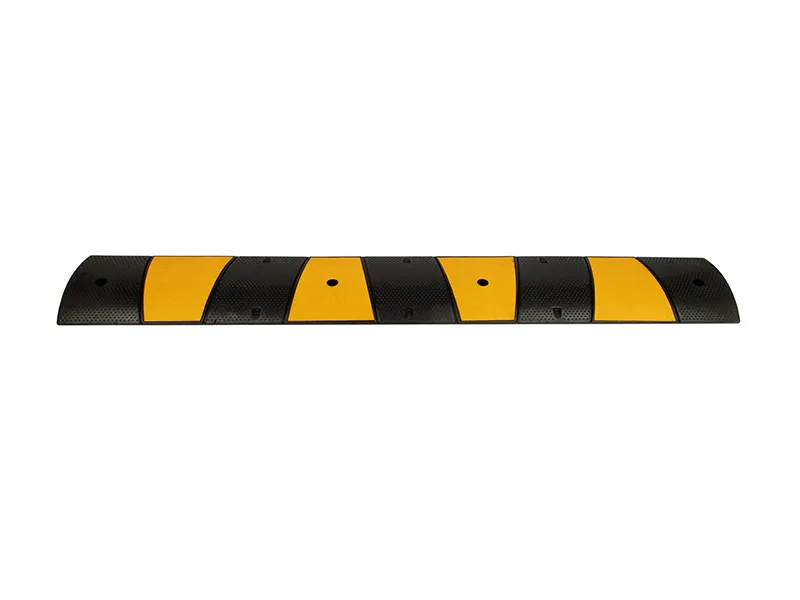
A heavy-duty cable protector is a protective ramp or cover designed to shield cables from vehicle traffic, foot traffic, and everyday site activity. Choosing the right model helps reduce cable damage, minimize trip hazards, and maintain organized cable routing in warehouses, construction sites, parking facilities, and temporary event venues.
However, not every cable protector is suitable for every application. Buyers need to evaluate cable dimensions, channel capacity, load ratings, surface conditions, and installation requirements before making a purchasing decision.
Identify the Application and Traffic Conditions
The first step in selecting a heavy-duty cable protector is identifying where it will be installed and what types of vehicles will pass over it. These conditions determine the required construction, dimensions, and load-bearing performance.
Common applications include:
Warehouses and factories: Protect power cables and equipment wiring across operational areas.
Construction sites: Cover temporary cables crossing work zones and access routes.
Parking lots and roadways: Protect ground-level cables exposed to vehicle traffic.
Exhibitions and events: Organize temporary wiring while reducing pedestrian trip hazards.
Commercial buildings: Route cables safely across walkways and shared working spaces.
A protector designed primarily for pedestrian traffic may not withstand repeated vehicle loading. However, a ramp intended for occasional vehicle crossings can also be engineered to withstand repeated loading from heavy trucks or continuous industrial traffic.
Confirm the manufacturer’s model-specific load rating and test conditions rather than inferring capacity from the occasional-use description.
Choose the Right Channel Count and Cable Size
Channel count refers to the number of separate cable passages inside a protector. Selecting the correct channel configuration helps accommodate the required cables while keeping them separated and protected.
A single-channel model may suit one larger cable or a simple cable route, while multi-channel designs can organize several cables or cable groups. However, channel count alone does not determine capacity; the internal dimensions must also accommodate the actual cables.
When comparing a heavy duty cable protector ramp, measure the cable diameter, connector size, and total number of cables that need protection. Leave sufficient internal clearance so cables are not compressed, sharply bent, or forced into an unsuitable passage.

Verify the Load Rating and Material
The load rating indicates the loading conditions a cable protector is designed to withstand. It is one of the most important specifications to verify when a product will be crossed by vehicles or industrial equipment.
The load-bearing range published by the suppliers does not establish the exact capacity of every model or explain the testing conditions for each rating. Buyers should obtain model-specific confirmation before selecting a protector for heavy traffic.
Consider these factors when evaluating load capacity:
Vehicle type: Cars, forklifts, delivery trucks, and heavy vehicles create different loading conditions.
Wheel loading: The load applied by an individual wheel may differ substantially from the vehicle's total weight.
Traffic frequency: Repeated crossings can create different demands from occasional use.
Installation surface: Uneven or unstable ground may affect how loads are distributed.
Product construction: Material formulation, wall structure, and ramp geometry influence performance.
For demanding environments, ask the supplier for the applicable load rating, test method, and limitations.
Check Surface Safety and Installation Conditions
A suitable cable protector should protect the cables without creating a new hazard for pedestrians or vehicles. Surface grip, ramp profile, stability, and accessibility therefore need to be evaluated alongside mechanical protection.
For pedestrian routes, consider whether the ramp creates an abrupt change in level or an obstacle for wheelchair users and other people with limited mobility. The U.S. Access Board's guidance on floor and ground surfaces explains requirements relating to surface stability, firmness, slip resistance, and changes in level.
Before installation, check that:
The ground is clean, level, and suitable for the product.
The ramp lies flat without rocking or shifting.
Cable entries and exits do not create sharp bends.
The product does not obstruct doors, emergency exits, or essential access routes.
Any required connectors or end sections fit securely.
Outdoor installations are suitable for the expected weather and environmental exposure.
Electrical safety must also be addressed separately. A cable protector does not make damaged cables safe or replace proper electrical installation practices. OSHA's electrical safety guidance for construction sites explains hazards associated with damaged or unsuitable extension cords.
Prepare a Clear Cable Protector Specification
A clear specification helps buyers compare quotations accurately and reduces the risk of ordering an unsuitable product.
Before contacting a supplier, prepare the following information:
Requirement | Information to Confirm |
Application | Indoor, outdoor, warehouse, roadway, or event |
Cable configuration | Cable quantity, diameter, and connector dimensions |
Channel requirements | Number of channels and usable internal dimensions |
Load requirements | Vehicle type, wheel loading, and crossing frequency |
Product dimensions | Overall width, height, length, and ramp profile |
Material | Rubber, recycled rubber, or another specified material |
Surface and connections | Anti-slip design, interlocking sections, and end pieces |
Order details | Quantity, customization, delivery, and replacement needs |
For projects involving unusual cable sizes or demanding load conditions, request a technical drawing and written confirmation of the proposed model's suitability.
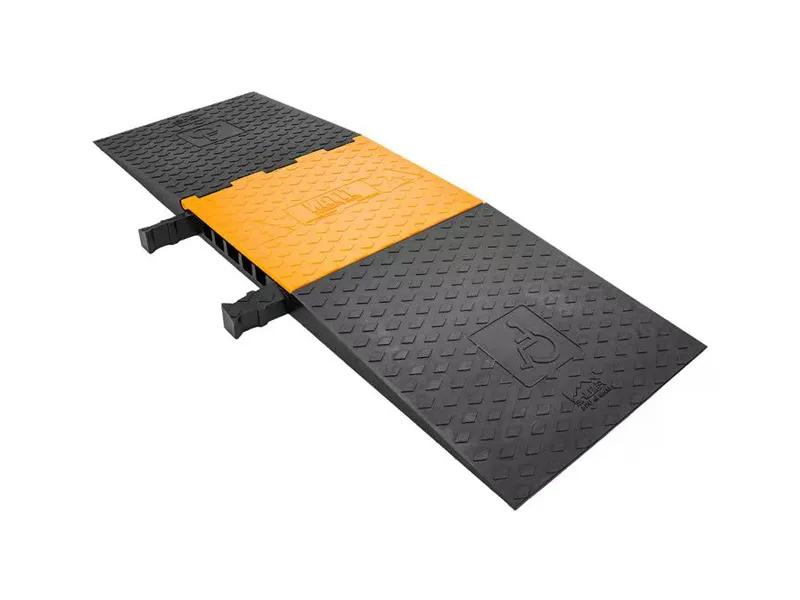
JinCheng's heavy duty cable protector range includes multi-channel cable ramps and ADA/walkway cable covers for different cable protection environments. Comparing the intended application with the available product configurations is a practical starting point for procurement.
Conclusion
Choosing a heavy-duty cable protector requires more than selecting a ramp with enough channels. Buyers should confirm cable dimensions, internal channel capacity, model-specific load ratings, material performance, and installation conditions before purchasing.
For industrial and outdoor applications, matching the protector to actual traffic conditions is especially important. A well-specified product can help protect wiring, reduce trip hazards, and maintain safer, more organized working areas.
FAQ
1. What is a heavy-duty cable protector used for?
It protects cables from mechanical damage and helps reduce trip hazards in areas exposed to pedestrians, vehicles, or industrial activity.
2. How many channels should a cable protector have?
Choose the channel count according to the number and arrangement of cables, then verify that each channel has sufficient usable width and height.
3. How do I choose the correct cable protector load rating?
Consider vehicle type, wheel loading, crossing frequency, and ground conditions, and obtain the manufacturer's confirmed rating for the specific model.
4. Are rubber cable protectors suitable for outdoor use?
Rubber models may be suitable for outdoor applications, but buyers should confirm weather resistance, surface grip, and other environmental limitations for the selected product.
5. Can a cable protector accommodate different cable diameters?
Yes, provided the internal channel dimensions are suitable for the cables and connectors. Confirm the usable dimensions before ordering.
6. Can heavy-duty cable protectors be connected together?
Some modular cable ramps can be connected to create longer cable protection routes. Confirm connector compatibility and the availability of suitable end sections with the supplier.
 English