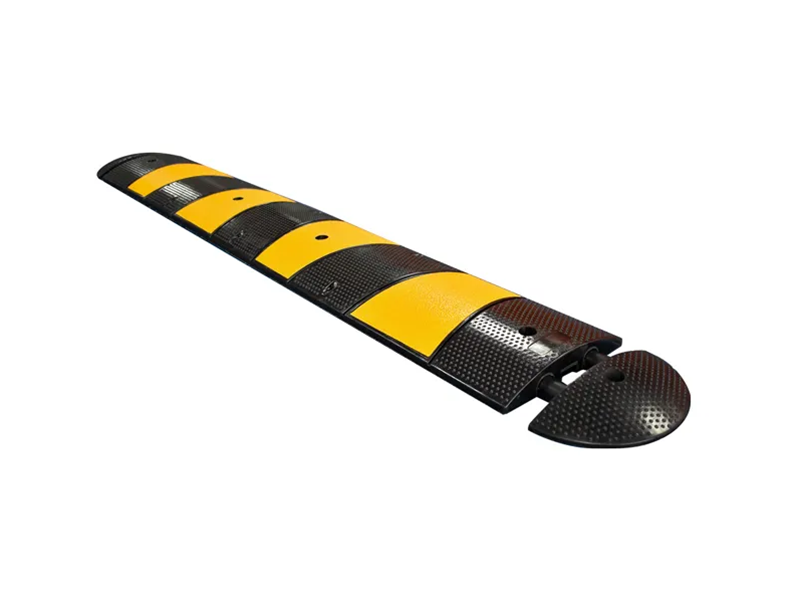
A dock bumper is a protective component installed at a loading dock to absorb impact when trucks reverse into a building. Choosing the right dock bumper helps reduce damage to dock walls and vehicle contact areas while supporting safer, more reliable loading and unloading operations.
To select a suitable bumper involves considering the dock face, truck and trailer geometry, bumper thickness, mounting conditions, and compatibility with existing dock equipment. This guide explains the key factors to evaluate before purchasing dock bumpers for warehouses, distribution centers, factories, and logistics facilities.
Understand the Loading Dock and Truck Contact Area
The truck contact area is the part of the loading dock where the vehicle's rear structure meets the protective bumper during docking. Understanding this area helps determine the required bumper dimensions and mounting position.
Before selecting a model, assess the following conditions:
Dock face dimensions: Measure the available width and height for bumper installation.
Truck and trailer range: Identify the vehicle types that regularly use the dock, including differences in trailer height and rear geometry.
Contact position: Determine where the vehicle is expected to contact the bumper during normal reversing.
Existing equipment: Check the positions of dock levelers, dock seals, doors, and adjacent loading bays.
Operating conditions: Consider docking frequency, weather exposure, and the likelihood of repeated impacts.
For facilities serving multiple truck types, one bumper configuration may not suit every vehicle. Measurements should reflect the actual fleet and operating conditions rather than a single representative truck.
Choose Dimensions That Match the Impact Zone
Dock bumper dimensions determine how much of the dock face is protected and whether the bumper aligns with the vehicle's contact area. The correct size should provide adequate coverage without interfering with loading equipment or vehicle positioning.
JinCheng's published product specifications include the following rubber dock bumper models:
Model | Listed Size | Listed Thickness | Material |
WP15 | 1000 × 150 mm | 20–90 mm | Rubber |
DB-1 | 300 × 200 mm | 90 mm | Rubber |
WP-100 | 1000 × 200 mm | 90 mm | Rubber |
WP-100A | 1000 × 100 mm | 95 mm | Rubber |
These specifications provide a starting point for comparing available models. Because the catalog does not explicitly define the measurement orientation for every size, confirm the face width, height, projection, and thickness with the supplier before ordering.
When comparing options, consider three practical questions:
Does the bumper cover the intended vehicle contact area?
Is its mounting position compatible with the dock structure?
Will its dimensions accommodate the range of trucks using the facility?
A longer bumper may provide broader coverage, while a more compact model may suit a smaller contact area. The best choice depends on the dock layout and vehicle geometry.

Select the Right Thickness for Impact Protection
Dock bumper thickness affects how far the protective surface projects from the dock face and how much compression may be available during impact. It should therefore be evaluated together with the bumper material, construction, and intended application.
Consider these factors when choosing thickness:
Vehicle clearance: Check the rear structure of the truck and the required distance between the vehicle and the dock.
Impact conditions: Consider docking frequency and the severity of expected contact.
Equipment compatibility: Ensure the bumper does not obstruct dock leveler operation or prevent the trailer from reaching its intended position.
Compression performance: Ask the supplier for relevant material and performance information rather than judging protection by thickness alone.
For example, two rubber bumpers with the same nominal thickness may perform differently because of differences in rubber formulation, construction, and compression characteristics. If the dock serves heavy vehicles or experiences frequent impacts, request technical confirmation that the selected model suits the application.
Check Material, Mounting, and Durability
Material and mounting quality determine whether a dock bumper can perform reliably under repeated use. These factors are particularly important in busy distribution centers and industrial loading areas.
Solid molded rubber is commonly used for dock bumpers because it provides impact absorption and compression resistance. JinCheng's listed products feature molded rubber construction, pre-reserved bolt holes, and optional yellow warning stripes or reflective tape.
Before placing an order, verify:
Material suitability: Confirm the rubber formulation is appropriate for the expected impact conditions and operating environment.
Mounting arrangement: Check bolt-hole positions, fastener requirements, and compatibility with the existing dock face.
Substrate condition: Ensure the concrete or supporting structure can accommodate the mounting system.
Environmental exposure: Consider rain, temperature changes, sunlight, and contact with oils or other substances.
Maintenance access: Make sure the bumper can be inspected and replaced without unnecessary disruption.
The Occupational Safety and Health Administration (OSHA) also recommends maintaining safe clearances and addressing hazards around warehouse loading areas. Its warehousing hazards and solutions guidance provides additional context for evaluating the wider work environment.
Meet Loading Dock Safety Requirements
A dock bumper protects the contact area, but it does not replace vehicle restraints, dock-edge protection, or safe loading procedures. A complete loading dock safety plan must address vehicle movement, pedestrian exposure, and the transition between the dock and the trailer.
Review the following requirements as part of the selection process:
Vehicle movement control: Determine whether wheel chocks or an appropriate vehicle restraint system is needed to prevent unintended truck movement during loading and unloading.
Dockboard compatibility: Check that dockboards or bridge plates can support their intended loads and remain securely positioned.
Edge visibility: Mark dock edges and maintain clear visual warnings where necessary.
Driver communication: Position appropriate dock safety signs where drivers and workers can see operating instructions and warnings.
Requirements vary by jurisdiction and facility type, so verify applicable local regulations and site-specific risk assessments before finalizing the safety arrangement.
Use a Practical Dock Bumper Selection Checklist
A structured checklist helps purchasing teams compare supplier quotations using consistent criteria.
Before requesting a quotation, prepare the following information:
Dock face width, height, and available mounting area.
Required bumper dimensions and projection.
Truck and trailer types, including their contact heights.
Expected docking frequency and operating environment.
Mounting-hole layout and supporting-surface condition.
Required material, warning features, and any customization.
Quantity, delivery requirements, and replacement-part availability.
When comparing quotations, ask suppliers to confirm the dimensions, thickness, material, mounting details, and intended application of each proposed model. Request technical drawings or product data where necessary, especially when replacing existing bumpers or fitting a new loading dock.
JinCheng's loading dock safety equipment range provides a reference for evaluating dock bumpers alongside other protective measures used in loading and unloading areas.
Conclusion
Choosing the right dock bumper requires matching its dimensions, thickness, material, and mounting arrangement to the actual loading dock and the vehicles using it. Buyers should also check compatibility with dock levelers, trailer positioning, and the facility's wider safety controls.
For reliable selection, measure the installation area, document operating conditions, and confirm technical specifications with the supplier before ordering. A well-matched bumper can help protect dock structures and vehicle contact areas while supporting efficient, consistent loading operations.
FAQ about Dock Bumpers
1. What is the main purpose of a dock bumper?
A dock bumper absorbs impact when a truck reverses toward a loading dock, helping reduce damage to the building and vehicle contact areas.
2. How thick should a dock bumper be?
The appropriate thickness depends on truck geometry, required clearance, bumper construction, and docking conditions. Confirm the suitable specification with the supplier rather than relying on thickness alone.
3. What material is commonly used for dock bumpers?
Molded rubber is commonly used because it offers impact absorption and compression resistance. The appropriate formulation depends on the application and operating environment.
4. How do I measure a loading dock for a bumper?
Measure the available dock face, intended contact area, mounting space, and required projection. Also check truck contact heights and clearance around dock equipment.
5. Can a dock bumper prevent a truck from moving?
No. A dock bumper provides impact protection but is not a vehicle restraint. Wheel chocks or an appropriate restraint system may be needed to control vehicle movement.
6. How often should dock bumpers be inspected?
Inspect them regularly according to usage, site procedures, and manufacturer recommendations. Check for excessive deformation, cracking, loose fasteners, and damage that could reduce protective performance.
 English